Mullein Leaf Extract (10:1) Explained
Imagine walking past a sunny fence line in late summer and spotting a tall green spire rising above the grass, its leaves wide and soft as flannel. That is mullein, and it is the first named ingredient in the Breathclear blend. This guide keeps things simple: what the plant is, what the 10:1 number means, and where it fits on the label.
The plant itself
Mullein is a biennial plant, which means it completes its life cycle over two growing seasons. In the first year it forms a low rosette of broad, fuzzy leaves. In the second year it sends up a tall, sturdy stalk that can stand well above the height of a garden gate. The leaves are covered in fine hairs, giving them a felted, velvety feel that gardeners notice right away.
It grows readily in open, sunny spots, along roadsides and in cottage-style gardens, and many people grow it simply because it is dramatic and architectural. Visitors to a garden often stop and touch the leaves, just to feel the texture.
Decoding the 10:1 ratio
On the Breathclear label you will read "mullein leaf extract (10:1)." The ratio describes how the extract was prepared. It means roughly ten parts of plant material were used to make one part of extract. Think of reducing a big pot of tea down to a small cup: the cup holds the essence of a much larger volume.
- The first number refers to the amount of leaf used.
- The second number refers to the finished extract.
- The ratio is about preparation, not about the amount in the bottle.
- It should not be confused with the 154 mg total for the proprietary blend.
Where it sits on the label
Mullein leaf extract (10:1) appears first among the five named ingredients, followed by ginger root extract, bromelain, organic lemon extract and organic Cordyceps militaris fruit extract. All five are included in a proprietary blend of 154 mg, and the individual amounts are not disclosed. For that reason, this page does not state how much mullein is in any dose.
Reading about plants responsibly
Plants are written about in many places, and it is worth sticking to descriptions that match what a label really tells you. A good habit is to separate three things: what the plant is, how the ingredient was prepared, and what the product label says. This page covers the first two in general terms and points you back to the label for the third. If you enjoy background reading, a general search at PubMed shows how many different directions writing about mullein takes.
A garden-minded checklist
If you are curious enough to want to see mullein in person, try this small checklist for a weekend outing:
- Look for the rosette of fuzzy leaves close to the ground in the first year.
- Look for the tall central stalk in the second year.
- Touch a leaf gently and notice the felted texture.
- Visit a local garden center or botanical garden and ask which plants are biennial.
- Sketch the shape in a journal, a pleasant, screen-free ten minutes.
How it fits a simple daily ritual
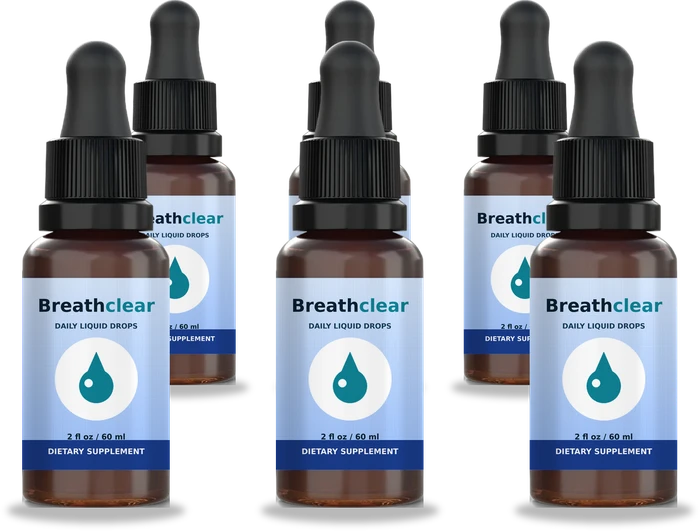
Breathclear is built around something small and repeatable: take 2 ml daily using the dropper, according to the product directions, and shake the bottle gently before each use. The ritual takes less time than boiling an egg. You can find the full ingredient overview on the ingredients page, and a broader walk-through in the ingredients list guide.
Many people pair the dropper with something they already do each morning, like opening the curtains or filling the kettle. That pairing, rather than any complicated plan, is what makes a routine easy to keep.
Questions people ask about plant extracts
- Is a bigger first number always better? The ratio simply describes preparation, so it is not a score.
- Does the ratio tell me the amount in the bottle? No. The only total on the label is 154 mg for the whole blend.
- Is mullein the only plant on the label? No, ginger root extract, organic lemon extract and the others share the blend.
Why textures and shapes make labels memorable
Names stick when you can picture them. Think of mullein as the tall, soft-leaved garden plant, ginger as the golden root, lemon as the bright fruit, bromelain as the pineapple ingredient and Cordyceps militaris as the cultivated mushroom. Five mental pictures, five names, one calm label. Anyone can learn them in a single sitting, and the mental images make it easier to recall which ingredient is which when you meet them elsewhere, on a menu, in a garden or on another bottle.
Putting the plant in context
Mullein is one of five names, and the label treats all five as a group inside one blend. It is easy to focus on a single ingredient because it has the most striking look, but the calmest way to read the panel is as a whole. Notice the plant, appreciate the ratio, and then step back to the full list and the daily dropper routine that ties it together.
Ready to set up your shelf? The 6-bottle pack has the lowest price per bottle at $49 each ($294 total) and includes five digital bonus guides, so a full stretch of mornings is covered. Visit the Breathclear order page to buy Breathclear with secure checkout and a 60-day refund policy.