Ginger Root Extract and Bromelain Explained
Picture a cutting board, a thumb of fresh ginger and half a pineapple waiting for slices. Two of the five named ingredients on the Breathclear label come straight from that scene: ginger root extract and bromelain. This guide stays in the kitchen and explains what each one is.
Ginger: the knobby golden root
Ginger is a flowering plant grown in warm, humid regions, and the part people know best is the rhizome, a thick underground stem with a pale golden interior and papery skin. In everyday cooking it is peeled and grated into stir-fries, sliced into tea, simmered in soups and baked into cookies and cakes. It has a warm, sharp aroma that makes a kitchen smell lively within seconds.
- Fresh ginger is sold in knobby pieces in most grocery stores.
- Dried and ground ginger is a pantry spice used in baking.
- Sliced ginger steeped in hot water is a popular home tea.
On the Breathclear label it appears as ginger root extract, meaning an extract made from the rhizome rather than the whole fresh piece.
Bromelain: from the pineapple
Bromelain is an ingredient derived from pineapple, the spiky tropical fruit with a sweet, tangy flesh. It is found in the fruit and in the stem of the pineapple plant. Home cooks meet pineapple in fruit salads, grilled slices, smoothies and upside-down cakes. When you see bromelain on a label, think of it as an ingredient with pineapple as its source.
A small kitchen fact many cooks discover: fresh pineapple used in some gelatin desserts behaves differently from canned pineapple. That is a cooking curiosity, and it is mentioned here purely as a fun everyday observation about the fruit.
How the two appear on the label
Both ingredients are part of the proprietary blend of 154 mg, together with mullein leaf extract (10:1), organic lemon extract and organic Cordyceps militaris fruit extract. The amount of each item is not disclosed, so this page does not state how much ginger or bromelain is in a daily dose. The brand directions: take 2 ml daily using the dropper, according to the product directions, and shake the bottle gently before each use.
A small tasting-and-reading exercise
If you like learning by doing, try this weekend exercise at home:
- Slice a coin of fresh ginger and smell it before it touches water.
- Steep a few slices in hot water for a plain ginger tea.
- Cut a wedge of ripe pineapple and notice its aroma and juiciness.
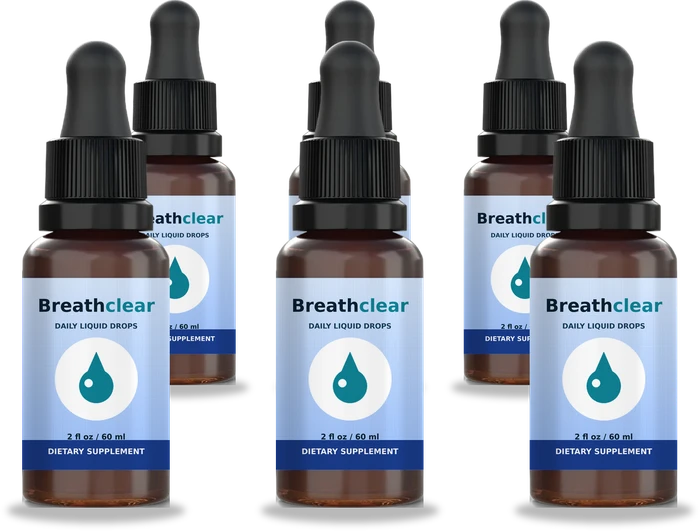
- Pick up your Breathclear bottle and find both names on the label.
It takes ten minutes, costs very little, and gives you a real sense of the sources behind the names on the panel.
Where to read more
For general background on how plants and fruit-derived ingredients are written about, a search at PubMed is a handy starting point. For a side-by-side look at all five names, open the ingredients page, or read the companion piece on organic lemon extract.
Keeping the story simple
There is a lot of noise around ingredient names, and it is easy to get lost. A steady approach is to keep three questions in mind: what is it, where does it come from, and how does it show up in the product? For ginger root extract the answers are a golden rhizome, warm regions, and an extract on the label. For bromelain the answers are an ingredient, the pineapple plant, and a named item in the blend. That clarity makes every label easier to read, and it makes comparing Breathclear reviews and Breathclear price information feel far less overwhelming.
Kitchen facts worth knowing
- Fresh ginger keeps well when stored whole in a cool, dry spot in the kitchen.
- Peeling is easy with the edge of a spoon.
- Pineapple is ripe when it smells sweet at the base.
- Both ingredients can be found in the produce section of most stores.
Label reading, one more time
Whenever you read an ingredient panel, look at the type of the ingredient (extract, whole food, isolate), the source (root, fruit, leaf) and any extra descriptors such as organic. For this label, ginger is an extract from a root, bromelain is a pineapple-derived ingredient, and neither carries an individual amount because the blend total of 154 mg covers all five names together. Asking those three simple questions every time keeps your reading consistent from one product to the next, and it is a skill you will use for the rest of your shopping life.
Putting it on the shelf
Both ingredients are familiar from grocery aisles, which makes them easy to remember. Some shoppers like to place a piece of ginger and a small pineapple next to the bottle for a day, just as a visual reminder. It is a playful way to connect the name to the picture, and it turns a label into something tangible.
Ready to set up your shelf? The 6-bottle pack has the lowest price per bottle at $49 each ($294 total) and includes five digital bonus guides, so a full stretch of mornings is covered. Visit the Breathclear order page to buy Breathclear with secure checkout and a 60-day refund policy.